Power, Water And Practical Setup Tips For Residential Caravans
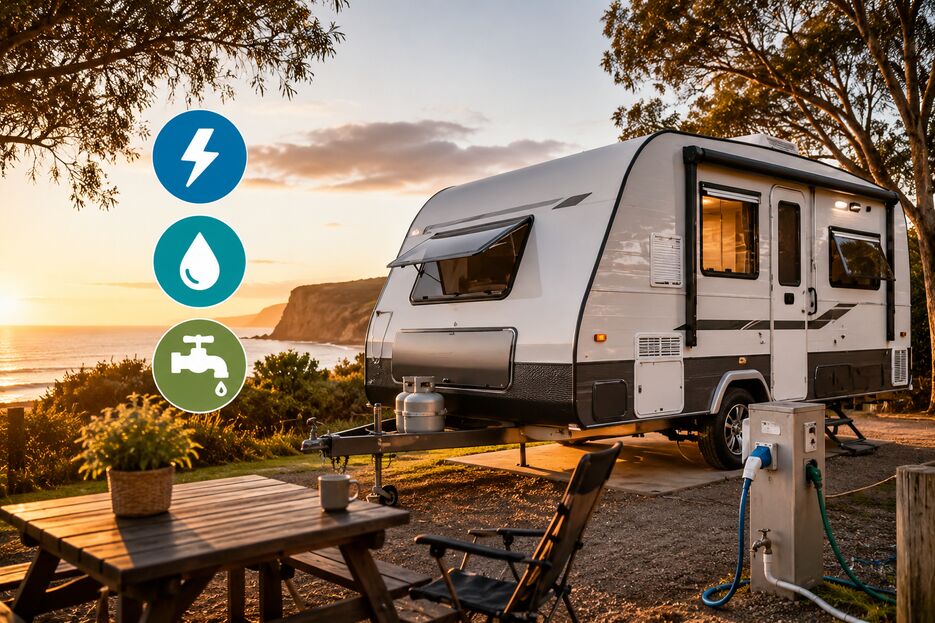
People often focus on the caravan itself when planning long-term residential living. Interior layout. Sleeping space. Storage size. Kitchen setup. Those things matter. But after spending time around residential caravan setups in South Australia, I noticed something else. Long-term comfort usually depends on practical systems more than furniture or floor plans. Reliable electricity changes daily life immediately. Stable water access matters more than people expect. Small planning decisions often determine whether caravan living feels comfortable after three months or frustrating after three weeks. Many people moving into temporary accommodation during renovations or relocation periods focus heavily on price comparisons first. Looking through examples of residential caravan accommodation and long-term living options at https://caravanhiresa.au/ also shows how practical setup planning influences everyday comfort long before somebody actually moves in. A residential caravan becomes easier to live in when the basic systems work properly from day one.
Power Setup Shapes Everyday Living
Power setup affects daily routine faster than people expect. Holiday caravan trips and long-term residential caravan living operate differently. A weekend away creates different expectations than living somewhere for months. People work remotely. Charge laptops. Use kitchen appliances. Run heating during winter and cooling during summer. Small inconveniences slowly become larger problems because they repeat every day. Remote workers often notice this first. Cable clutter grows quickly. Charging areas become messy. Power usage increases over time without people noticing. One laptop becomes additional equipment. Lighting changes. Daily routines expand. Good preparation removes stress before it appears.
Practical planning often includes:
Understanding everyday electricity use
Creating organised charging areas
Planning around seasonal weather conditions
Reducing clutter around work spaces
Leaving room for future equipment needs
Good systems improve daily comfort. Reliable power supports productivity. Small setup decisions often influence long-term experience far more than people expect.
Water Access And Organisation Matter More Than Space
Water setup influences comfort just as much. Reliable access changes cooking routines, cleaning habits and everyday convenience. Small problems become noticeable because they happen repeatedly. Residential caravan living naturally encourages better organisation. People create more efficient habits. Storage improves. Cleaning becomes easier. Compact spaces reward planning instead of excess. Many first-time residents expect smaller living environments to feel restrictive. The opposite often happens. Less unnecessary space creates simpler routines. Less maintenance creates more flexibility. Long-term comfort usually comes from systems working quietly in the background rather than having extra square metres.
Useful preparation often includes:
Organising storage before moving in
Building consistent household routines
Planning water use around daily habits
Keeping living spaces functional instead of crowded
Adjusting setup gradually after everyday experience
People who adapt successfully often focus on small improvements instead of chasing perfect conditions immediately. Reliable electricity reduces frustration. Better organisation creates functionality. Practical planning removes small problems before they grow larger.
Small Systems Usually Shape Long-Term Comfort
Most people entering residential caravan living expect the caravan itself to determine the experience. In reality, the systems around it usually matter more. Power reliability. Water access. Daily organisation. Those practical details quietly shape everyday life. Long-term residential caravan living rarely becomes comfortable because everything feels perfect immediately. It improves because people gradually build routines that fit compact living. Small decisions made early often create better comfort months later. That difference becomes obvious very quickly once everyday life begins.